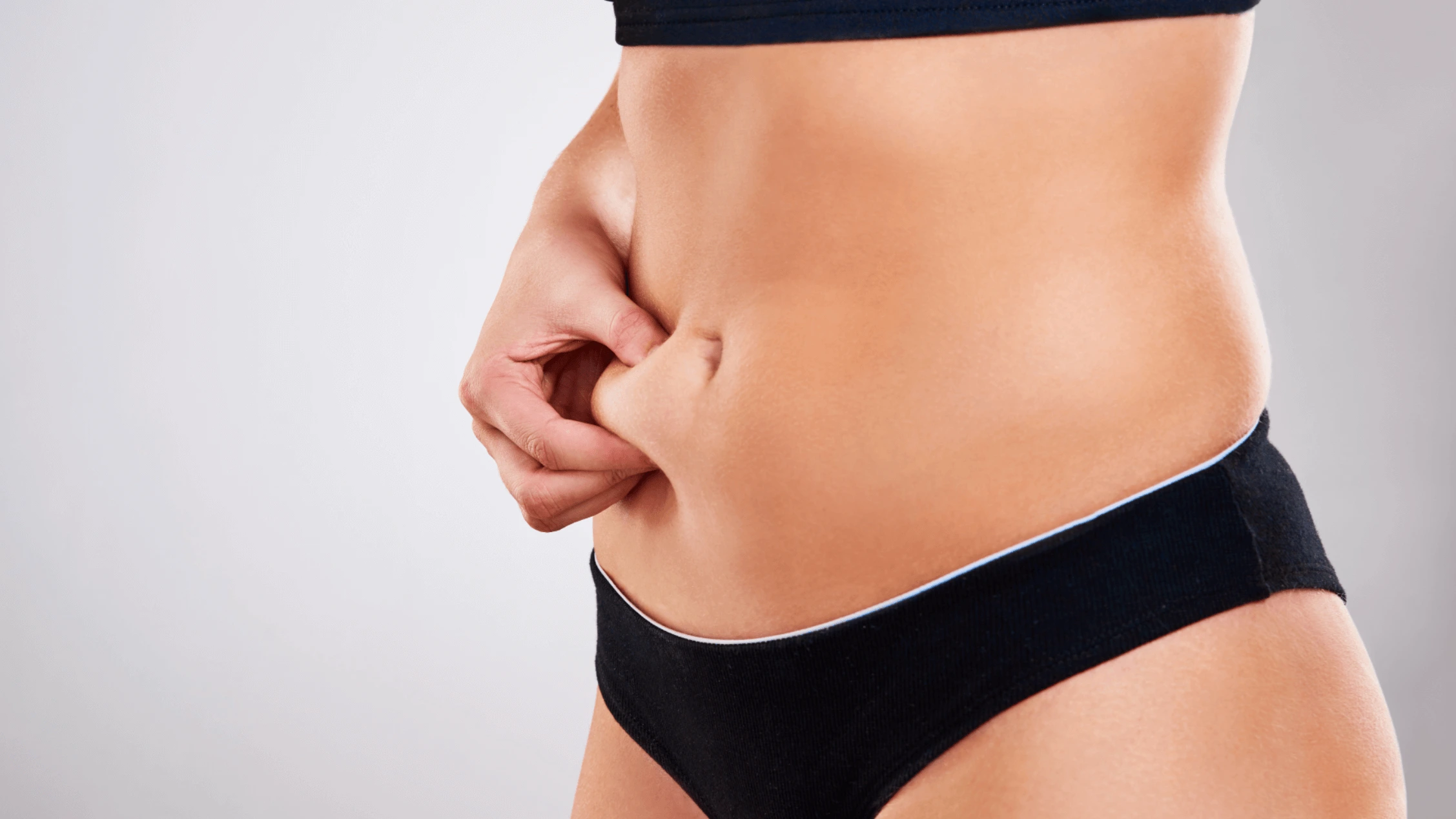
Is Liposuction a Weight Loss Tool? The Truth About Fat Removal
No, liposuction is not a weight loss tool. It is a body contouring procedure that removes stubborn pockets of fat to reshape specific areas, and it works well for people who are already at or near a stable, healthy weight. The number on the scale usually changes very little after liposuction. What changes is the shape of the treated area. At Sculpt Cosmetic Surgery in Bluffton, Dr. Phillip Crace and our team often meet patients who hope liposuction will replace diet and exercise. This article explains what liposuction can and cannot do, so you can set realistic goals before you decide on any treatment.Many people search for an answer to the question “Is Liposuction a Weight Loss Tool? The Truth About Fat Removal” because the procedure is so often misunderstood. The short answer is that liposuction refines your shape. It does not treat excess body weight. To understand why, it helps to start with the basics.
What Is Liposuction?
Liposuction is a cosmetic surgery that removes fat cells from targeted areas of the body. These are usually areas where fat stays put even when a person eats well and exercises often. Common examples include the belly, flanks, back, thighs, upper arms, and under the chin.At our office, we offer liposuction for several areas, including abdominal liposuction, thighs liposuction, back, arm, and chin liposuction. We also offer Lipo 360, which treats the full circle of the midsection rather than just the front. For men, we offer male liposuction as well.
How Liposuction Works
Your body stores fat in fat cells. When you gain weight, those cells grow larger. When you lose weight, they shrink. In adults, the total number of fat cells stays fairly steady.Liposuction is different from weight loss because it removes fat cells from a chosen area. Once those cells are gone, that area has fewer cells left to store fat. This is why liposuction can change the shape of a stubborn area in a way that diet and exercise sometimes cannot.The amount of fat removed in one procedure is limited for safety reasons. That limit is one of the main reasons liposuction is not a good way to lose large amounts of weight.
Why Is Liposuction Done?
People choose liposuction to improve the contour of their body. Common reasons include:
Fat on the lower belly that stays after weight loss
“Love handles” or side fat that does not respond to exercise
Bulges on the back near the bra line
Inner or outer thigh fat that affects how clothes fit
Fullness in the upper arms
Fat under the chin that softens the jawline
In each case, the goal is to refine a specific area. The patient is usually happy with their overall weight but frustrated by one or two areas that will not change.
Benefits of Liposuction
When liposuction is used for the right reasons, it offers several real benefits:
Targeted results. Exercise burns fat from the whole body, and you cannot choose where it comes from. Liposuction treats the exact areas that bother you.
Improved proportions. Removing fat from one area can bring better balance to your overall figure.
Long-lasting change. Fat cells that are removed do not grow back.
Better clothing fit. Many patients notice clothes fit more smoothly after the treated area heals.
A boost in motivation. Some patients feel more inspired to keep up healthy habits once they see a more defined shape.
A 360 approach treats the front, sides, and back of the midsection together. This helps the result look balanced from every angle rather than flat from the front and full from the side.A sculpted result should look balanced from every angle, and that is the difference a 360 approach can make.
Liposuction vs. Weight Loss: Key Differences
Liposuction and weight loss both reduce fat, but they do it in very different ways. Knowing the difference helps you choose the right path for your goals.
How Weight Loss Works
Weight loss happens when your body burns more energy than it takes in. Over time, your body pulls stored fat from fat cells all over your body to make up the difference. The fat cells shrink, but they do not go away.Because weight loss happens throughout the body, you cannot control where you lose fat first. Genetics play a large role. Some people lose fat in their face and arms first while their belly or thighs stay the same. This is one reason people feel stuck with certain areas even after reaching their goal weight.Weight loss also brings health benefits that liposuction does not. Losing extra weight through healthy eating and regular activity can improve blood pressure, blood sugar, joint comfort, and energy levels. These changes come from lower overall body fat, including the fat stored deep around your organs.
Liposuction vs. Diet and Exercise
Here is how the two compare:
Where fat is lost: Diet and exercise shrink fat cells across the whole body. Liposuction removes fat cells from specific areas.
How much fat is lost: Diet and exercise can lead to large, steady weight loss over time. Liposuction removes a limited amount of fat in one session.
Type of fat affected: Diet and exercise reduce both the fat under the skin and the deeper fat around the organs. Liposuction only removes fat under the skin.
Health effects: Weight loss through lifestyle changes can improve many health markers. Liposuction is a cosmetic procedure focused on shape.
What it is good for: Diet and exercise are the foundation for weight management. Liposuction is a finishing step for stubborn areas.
The two work well together. Many patients reach a healthy, stable weight through lifestyle changes first. Then they use liposuction to address the areas that did not respond.
Can Liposuction Help With Weight Loss or Obesity?
This is one of the most common questions we hear. The honest answer is that liposuction is not designed for weight loss or for treating obesity. Here is why.
How Much Weight Can You Lose With Liposuction?
Most patients lose only a few pounds on the scale after liposuction. Fat is light compared to its size, so removing a meaningful amount of volume from an area does not add up to much weight.That is why we encourage patients to measure success by shape rather than by the scale. A trimmer waistline, a smoother back, or more defined thighs are the real signs of a good result. Your clothes may fit differently even if your weight has barely moved.Patients who are hoping to lose a large amount of weight are usually better served by focusing on lifestyle changes first. Once their weight is stable, liposuction can help with any remaining areas of concern.
Can Liposuction Treat Obesity?
Liposuction does not treat obesity. Obesity involves excess fat throughout the body, including visceral fat stored deep in the abdomen around the organs. This deeper fat is linked to many health concerns, and liposuction cannot reach it. Liposuction only removes fat that sits just under the skin.Because of this, liposuction does not offer the health benefits that come with true weight loss. The safe amount of fat that can be removed in one procedure is also far too small to make a real difference for someone with obesity.The patients who tend to be most satisfied with liposuction are those who are close to their goal weight, have good skin elasticity, and want to improve specific areas. When patients understand the true purpose of the procedure, they tend to have more realistic goals and are happier with their results.
Is Liposuction Permanent?
The fat cells removed during liposuction are gone for good. That part of the result is permanent. However, the fat cells that remain in your body can still grow if you gain weight.If you gain a large amount of weight after liposuction, the remaining fat cells in the treated area can get bigger. Fat may also build up in areas that were not treated. This can change your shape in ways you did not expect.Keeping your results comes down to maintaining a stable weight. Eating well, staying active, and avoiding big swings in weight are the most reliable ways to protect the contour you worked for.
What Liposuction Isn’t: Myths and Misconceptions
Several myths about liposuction lead to disappointment. Clearing them up helps patients make informed choices.Myth 1: Liposuction is a quick way to lose weight. Liposuction removes a limited amount of fat and changes shape rather than weight. It is not a shortcut around healthy habits.Myth 2: Liposuction tightens loose skin. Liposuction removes fat, not skin. If you have loose or sagging skin, removing fat beneath it may not give you the smooth look you want. In these cases, a skin removal procedure such as a tummy tuck or arm lift may be a better fit. Dr. Phillip Crace has noted that a tummy tuck is not the same as liposuction. A tummy tuck usually involves removing skin and repairing muscle, while liposuction focuses on fat.Myth 3: Liposuction gets rid of cellulite. Cellulite is caused by the way bands of tissue pull on the skin. Liposuction does not treat these bands, so it is not a cellulite treatment.Myth 4: The fat will never come back. The removed cells will not return, but the remaining cells can still expand with weight gain. Results last when your weight stays steady.Myth 5: Liposuction replaces diet and exercise. Liposuction works as a complement to a healthy lifestyle, not a replacement for it.Myth 6: Every patient gets the same result. Each body is different. Skin quality, fat distribution, and personal goals all shape what is possible. Every plan at Sculpt Cosmetic Surgery is tailored to the individual patient.
What Is the Way to Remove Excess Weight?
The most reliable way to lose excess weight is through steady, healthy lifestyle changes. This usually means:
Eating balanced meals with plenty of protein, vegetables, and whole foods
Staying active with a mix of cardio and strength training
Getting enough sleep, since poor sleep can affect hunger and energy
Working with your primary care doctor if you have health conditions that affect your weight
Once you reach a stable weight, you can look at options that refine specific areas. Depending on your goals, these may include:
Liposuction or Lipo 360 for stubborn fat pockets in areas such as the belly, flanks, back, thighs, arms, or chin
Non-surgical body contouring, which combines cryotherapy and electro muscle stimulation for patients who prefer a non-surgical approach to smaller areas
Tummy tuck or Avelar tummy tuck for patients who have loose skin or separated abdominal muscles, often after pregnancy or weight loss
Arm Lift for patients with loose skin on the upper arms after weight loss
Mommy Makeover for patients who want to address several areas changed by pregnancy
Choosing among these options depends on your body and goals. During a consultation, our team looks at your fat distribution, skin quality, and overall health. We talk through what you want to change and explain which approach fits your situation. You leave with a clear picture of what is realistic and a plan tailored to you.Dr. Phillip Crace is a Diplomate of the American Board of Surgery and a Fellow of both the American College of Surgeons and the American Academy of Cosmetic Surgery. Our surgery center is JCAHO-accredited. You can learn more about our background on our About Us.
Conclusion: Is Liposuction Right for You?
Liposuction is a body contouring procedure, not a weight loss tool or a treatment for obesity. It removes stubborn fat from targeted areas, and the removed cells do not return, but it changes your shape far more than your weight. It works well for patients near a stable, healthy weight who want to refine specific areas. Maintaining your weight after the procedure is the key to keeping your results. If you are deciding between weight loss, liposuction, or another option, our team in Bluffton, South Carolina can help you understand which path matches your goals.
About the Author
Dr. Phillip Crace
Dr. Crace is a surgeon with over 20 years of experience in the field. Now based in South Carolina, Dr. Crace specializes in procedures that enhance natural beauty and restore confidence.